Chimney Swift Watch

Articles, Events

By Marty Corfman
[from fall 2026 newsletter]

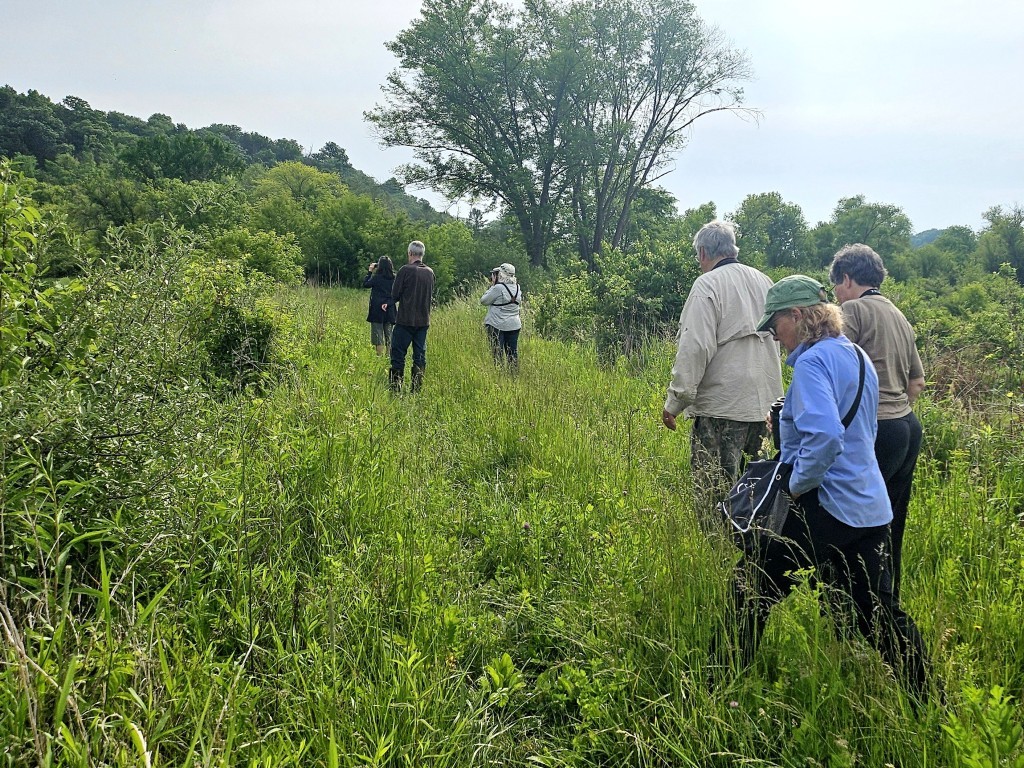
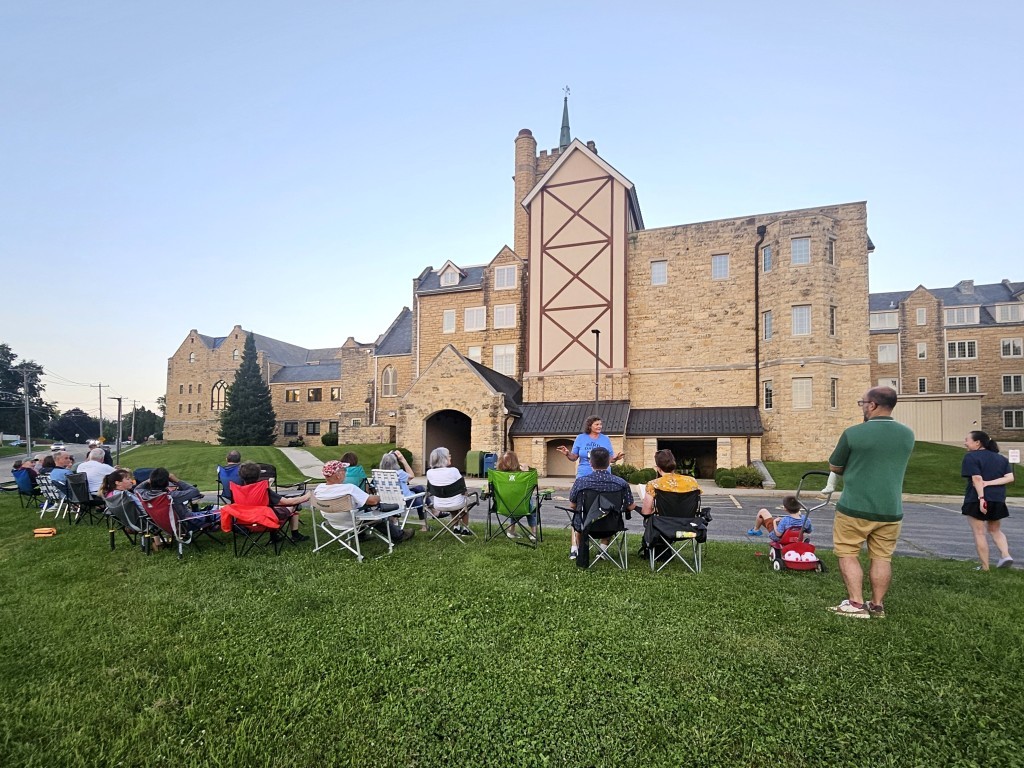
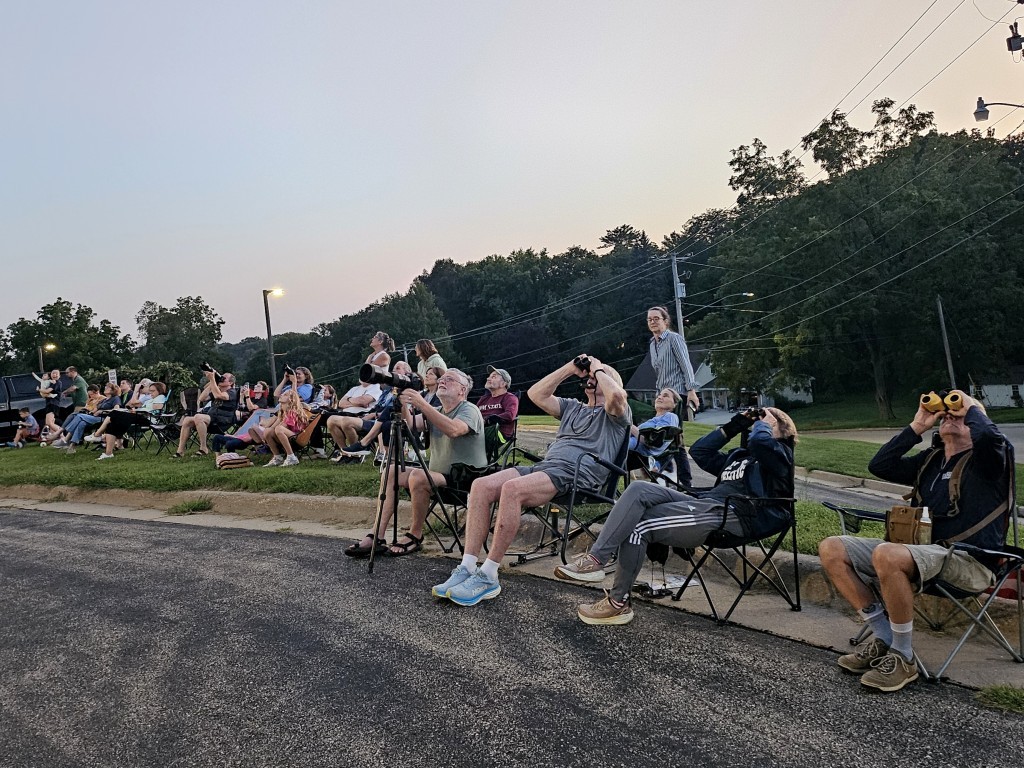
On Monday, August 24th, I had the pleasure of leading a Chimney Swift Watch at Wartburg Theological Seminary. I decided to publicize the event to the full community through all our available media outlets, and I was so pleased to meet so many new faces as a result! This is the second time we’ve held this outing, and it’s been such a success that I plan to make it an annual event. About 36 people of all ages attended this year—many of whom had no experience with birding, let alone knowledge about Chimney Swifts!

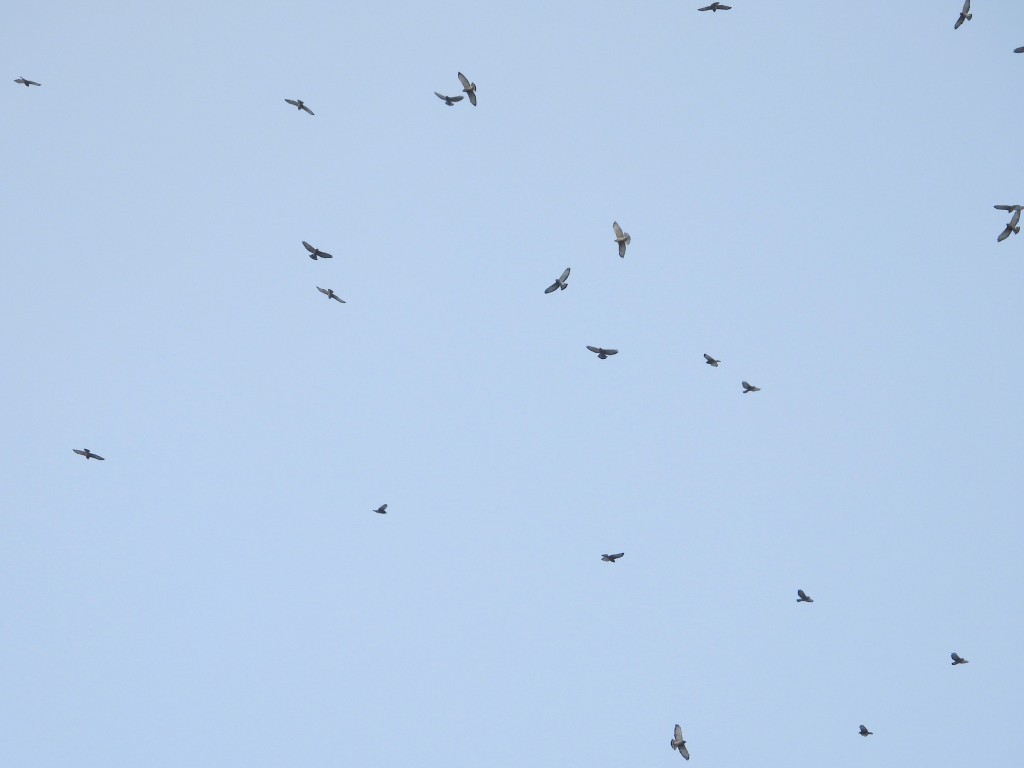
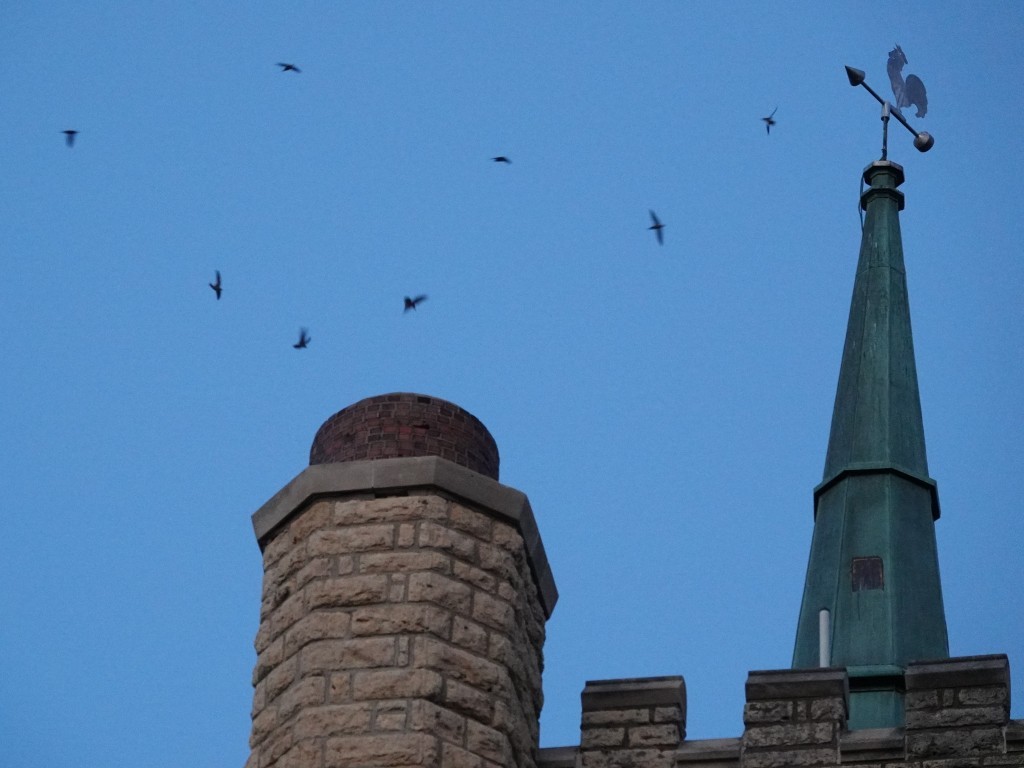
I did my best to answer questions about the fascinating roosting behavior of these wonderful birds. It is incredible to see them congregate in the sky, flying randomly all over the area while catching bugs for a bedtime snack. Eventually, they form a dynamic vortex, swirling in a funnel formation like a single organism. Then, one bird at a time—and soon dozens at once—they stall over the chimney, fold their wings, and drop tail-first into the opening to roost for the night.

Once inside, they cling vertically to the inner walls, filling the chimney from the bottom up as more birds arrive. They roost tightly together in dense clusters for warmth. We had a moderate number of birds this year; hopefully, the larger migrating flocks will arrive over the next couple of weeks as they head south.

Chimney Swifts rely on unlined chimneys and hollow trees for roosting and nesting sites. As old chimneys are decommissioned, capped, or torn down, and dead trees are removed, these vulnerable birds face severe population declines across North America. In fact, they are officially classified as Threatened in Canada. Widespread pesticide use has further compounded the problem by drastically reducing the flying insect populations they depend on for food.

These incredible aerialists spend virtually their entire lives in flight, landing only to incubate eggs or roost at night. Because they rely on daylight to navigate, they will not fly in the dark and can even be tricked by solar eclipses or severe storm clouds that darken the sky, prompting them to return to roost until the false “dusk” passes. However, they do not fly in all weather conditions—heavy downpours, fog, or prolonged cold spells ground them, as rain suppresses flying insects and impairs their flight.

One of my favorite facts about these birds is how they construct their nests. During the breeding season, specialized salivary glands produce a sticky, glue-like substance that they use to cement small twigs together and attach the nest to a vertical wall. They gather these twigs entirely on the wing, snatching dead twigs off branches with their feet as they fly past! While they roost communally in large numbers during migration, breeding pairs seek out individual sites during the nesting season, returning to communal roosts only after their young have fledged.

I hope you get to witness a Chimney Swift roost for yourself this season! Otherwise, please join me for next year’s watch!
Related Posts

Articles

By Mary Leigh
[from fall 2026 newsletter]

Something like 25 years ago, my husband and I didn't get around to trimming back our flowers in the fall, which was generally considered the thing to do at the time. This occurrence led to 3 surprises.

Articles

By Kari Zelinskas
[from fall 2026 newsletter]

The long winter months are quickly approaching. Take advantage of this time to plan for how you can make your yard more attractive to a variety of birds. Choosing native plants will best support your local birds by providing food, shelter, and nesting sites appropriate to your area.

Events

By Tony Moline
[from summer 2026 newsletter]

On Saturday, May 9, Dubuque Audubon conducted its annual spring species count. The count covered various areas in Dubuque and Jackson counties.

Events

By Bob Walton
[from summer 2026 newsletter]

March 7th found Sandy and me at the Green Island Channel 4 parking lot around 5:20 a.m. to participate in the Dubuque Audubon’s 47th annual spring waterfowl watch. I have always enjoyed the pre-dawn sounds of the marsh and try to be there as much as an hour before the main group arrives at sunrise.

Articles

By Kari Zelinskas
[from spring 2026 newsletter]

Derogatory expressions such as bird-brain, crazy as a loon, and dumb as a dodo imply birds lack intelligence or common sense. But modern research has debunked that idea...

Articles

By Kari Zelinskas
[from winter 2025 newsletter]

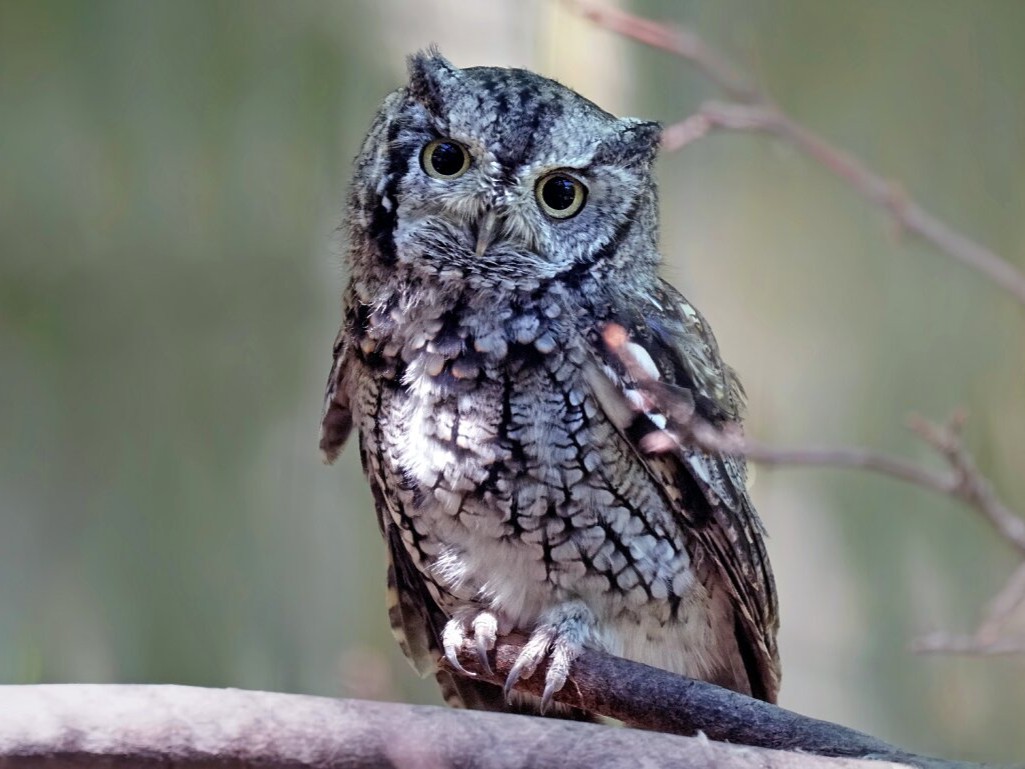
Meet the elusive Eastern Screech-Owl. Nocturnal, they roost during the day and hunt at dusk and night. Despite the name, Screech-Owls don’t just screech...

Articles

By Kari Zelinskas
[from winter 2025 newsletter]

Did you know there are different names for the flocks of birds? You might see a blush of Robins, a charm of Finches, or a confusion of Warblers.

Christmas Bird Count

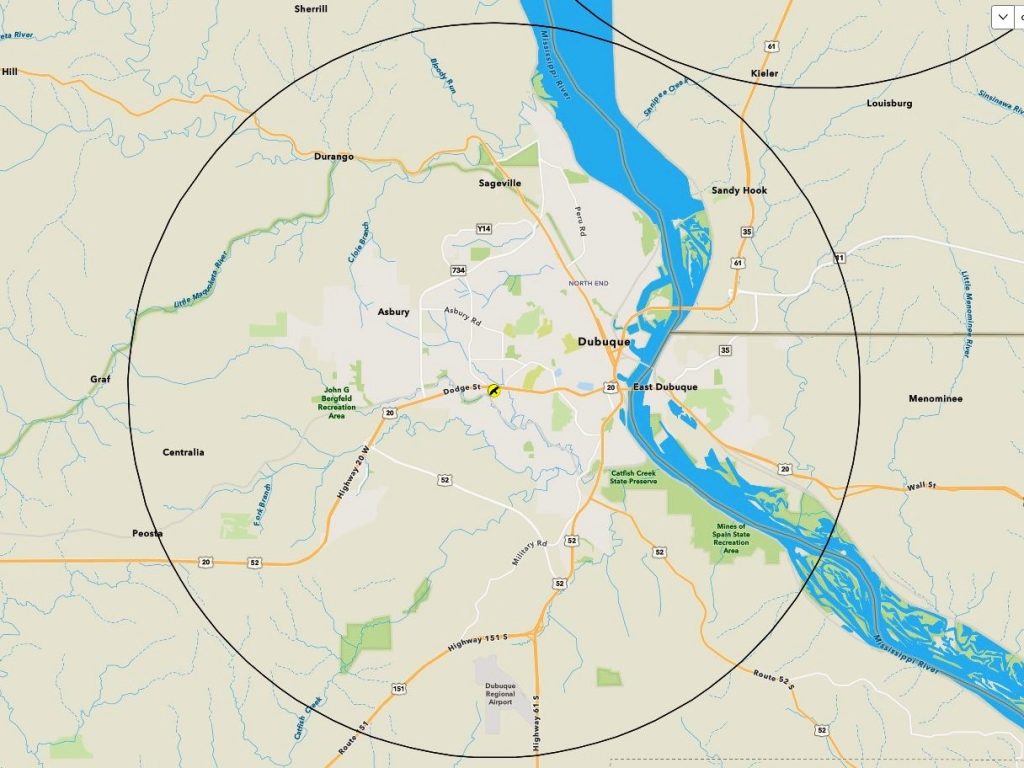
On Saturday, December 20, 2025, our chapter participated in the National Audubon Society's 126th annual Christmas Bird Count (CBC), where we counted birds in our 15-mile diameter circle.

Events

By Tony Moline
[from winter 2025 newsletter]

On September 21st, Audubon members participated in the annual fall raptor watch at Mines of Spain in Dubuque.

Articles

By Kevin Koch
[from fall 2025 newsletter]

The next time you’re tempted to feed the birds from that bag of bread, think again! You might just be depriving your feathered friends of a broader range of nutrition they’ll need throughout the year.

While bread does contain carbohydrates, bird specialist Dr. David Shealer, Professor of Biology at Loras College in Dubuque, IA, points out that birds also need proteins and fats in their diet...

Articles

By Mary Leigh
[from fall 2025 newsletter]

This summer, I went on a guided bird walk at Cornell Lab of Ornithology's Sapsucker Woods, in Ithaca, NY... During the walk, our guide shared some fun facts about American Goldfinch that make them unusual.

Events

By Mary Leigh

Below are highlights from recent outings:

Big Mill Creek Wildlife Management Area
A group of 7, led by Bob Walton, went to Big Mill Creek Wildlife Management Area on Tuesday morning, 6/3/25. Trumpeter Swan including 6 young were a highlight.