Spotlight on American Goldfinch

Articles

By Mary Leigh
[from fall 2025 newsletter]

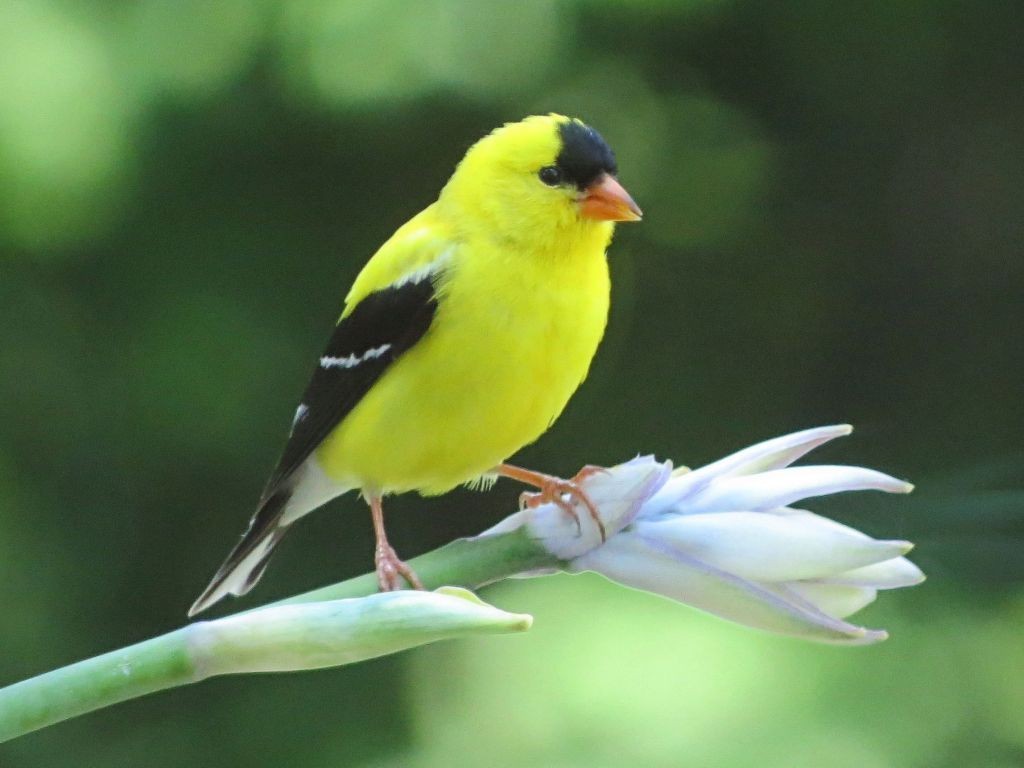
This summer, I went on a guided bird walk at Cornell Lab of Ornithology’s Sapsucker Woods, in Ithaca, NY. (On my first visit in 2021, about a year before I’d ever heard of Merlin or eBird, I didn’t properly appreciate that location, but this time I got a t-shirt!) During the walk, our guide shared some fun facts about American Goldfinch that make them unusual. They feed regurgitated seeds, almost exclusively, to their young, rather than feeding insects or a variety of food sources. Additionally, they nest unusually late in the season, waiting until July and August. This delay ensures that they have a good supply of seeds available.

American Goldfinch are consistent vegetarians. One site claimed they only eat insects if one accidentally flies into their open beaks! Their uncommon agility allows them to access seed sources other birds cannot, and they can extract seeds from almost any position. Thistle and sunflower seeds are favorites, but almost any seed will do. Baby cowbirds (whose parents deposit eggs in the nests of other birds) are doomed in an American Goldfinch nest, since they cannot survive more than a few days on seeds alone.

For comparison, House Finch are also vegetarians who feed regurgitated seeds to their young, but they breed earlier, and their diet includes buds, flower parts, berries, and small fruits, rather than almost exclusively seeds.

Cover: American Goldfinch on Hosta Bloom in Peosta, IA (7/1/14) © Mary Leigh
Related Posts

Articles

By Mary Leigh
[from fall 2026 newsletter]

Something like 25 years ago, my husband and I didn't get around to trimming back our flowers in the fall, which was generally considered the thing to do at the time. This occurrence led to 3 surprises.

Articles

By Kari Zelinskas
[from fall 2026 newsletter]

The long winter months are quickly approaching. Take advantage of this time to plan for how you can make your yard more attractive to a variety of birds. Choosing native plants will best support your local birds by providing food, shelter, and nesting sites appropriate to your area.

Articles, Events

By Marty Corfman
[from fall 2026 newsletter]

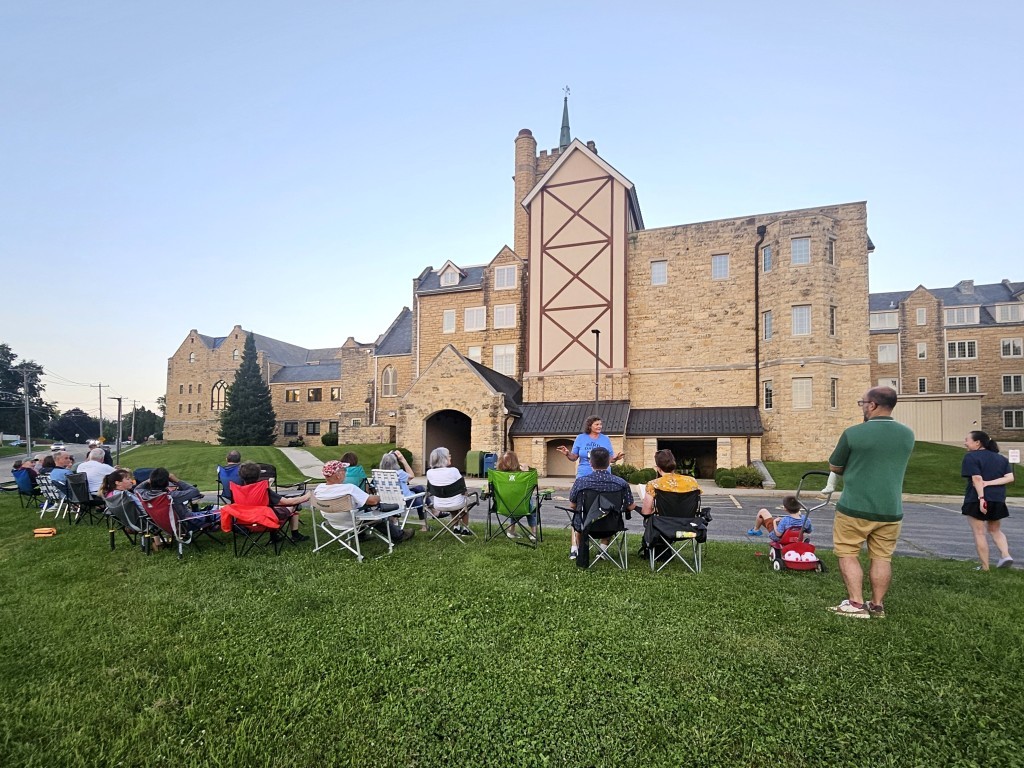
On Monday, August 24th, I had the pleasure of leading a Chimney Swift Watch at Wartburg Theological Seminary.
...
I did my best to answer questions about the fascinating roosting behavior of these wonderful birds.
...
These incredible aerialists spend virtually their entire lives in flight, landing only to incubate eggs or roost at night.

Articles

By Kari Zelinskas
[from spring 2026 newsletter]

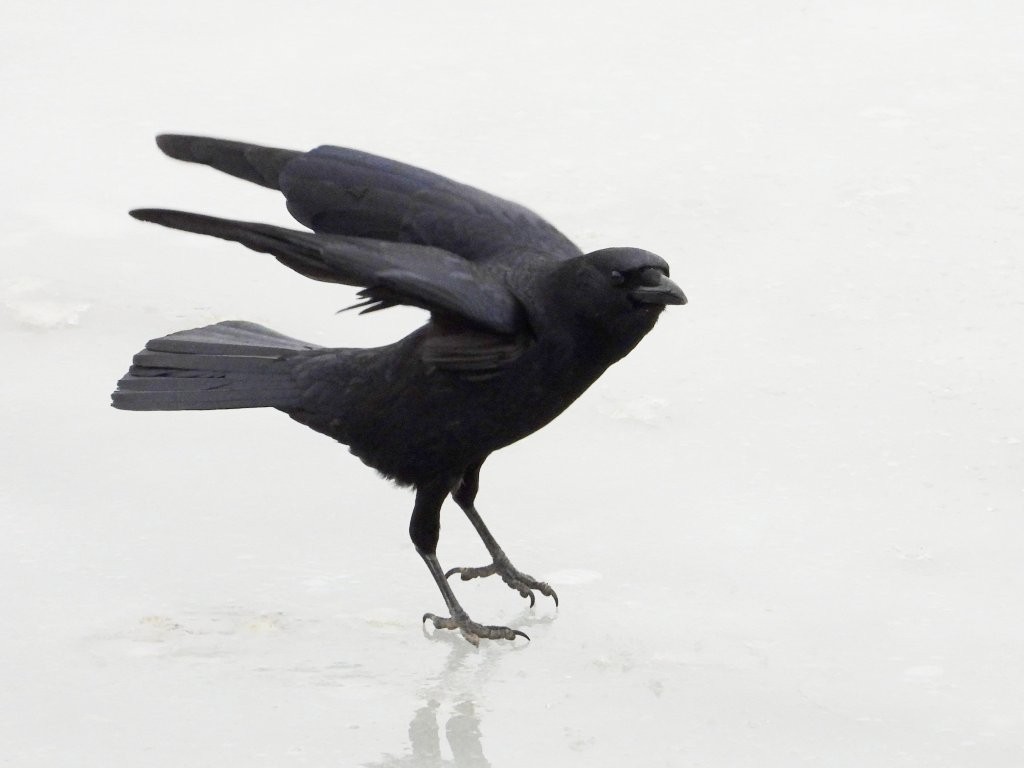
Derogatory expressions such as bird-brain, crazy as a loon, and dumb as a dodo imply birds lack intelligence or common sense. But modern research has debunked that idea...

Articles

By Kari Zelinskas
[from winter 2025 newsletter]

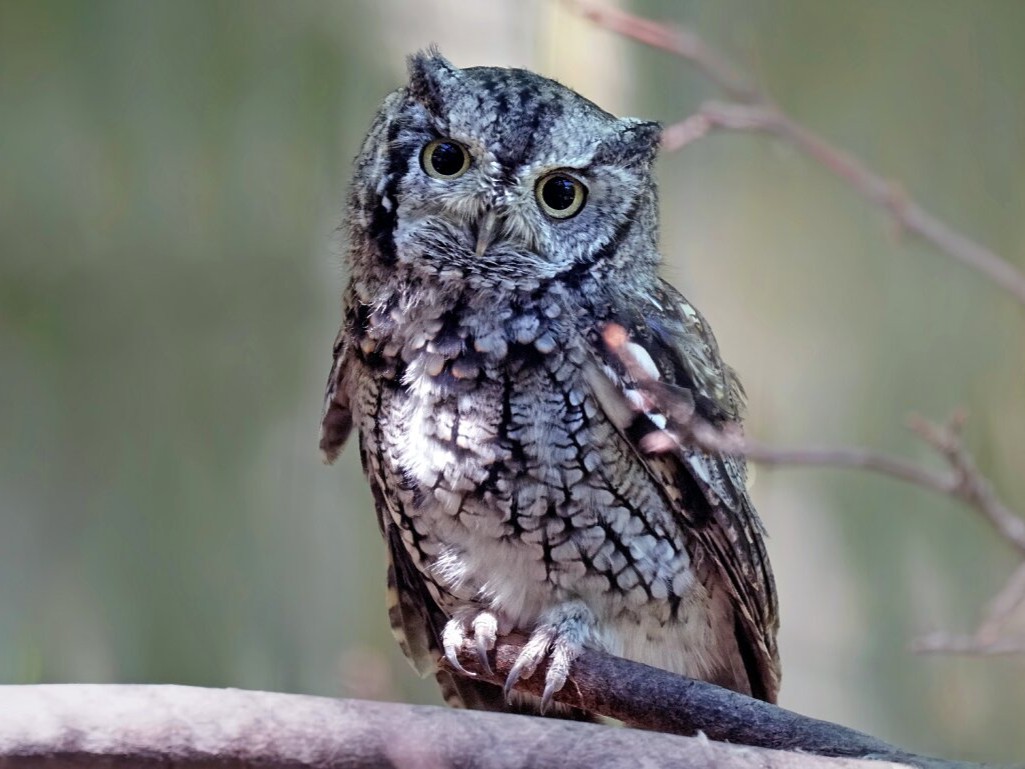
Meet the elusive Eastern Screech-Owl. Nocturnal, they roost during the day and hunt at dusk and night. Despite the name, Screech-Owls don’t just screech...

Articles

By Kari Zelinskas
[from winter 2025 newsletter]

Did you know there are different names for the flocks of birds? You might see a blush of Robins, a charm of Finches, or a confusion of Warblers.

Articles

By Kevin Koch
[from fall 2025 newsletter]

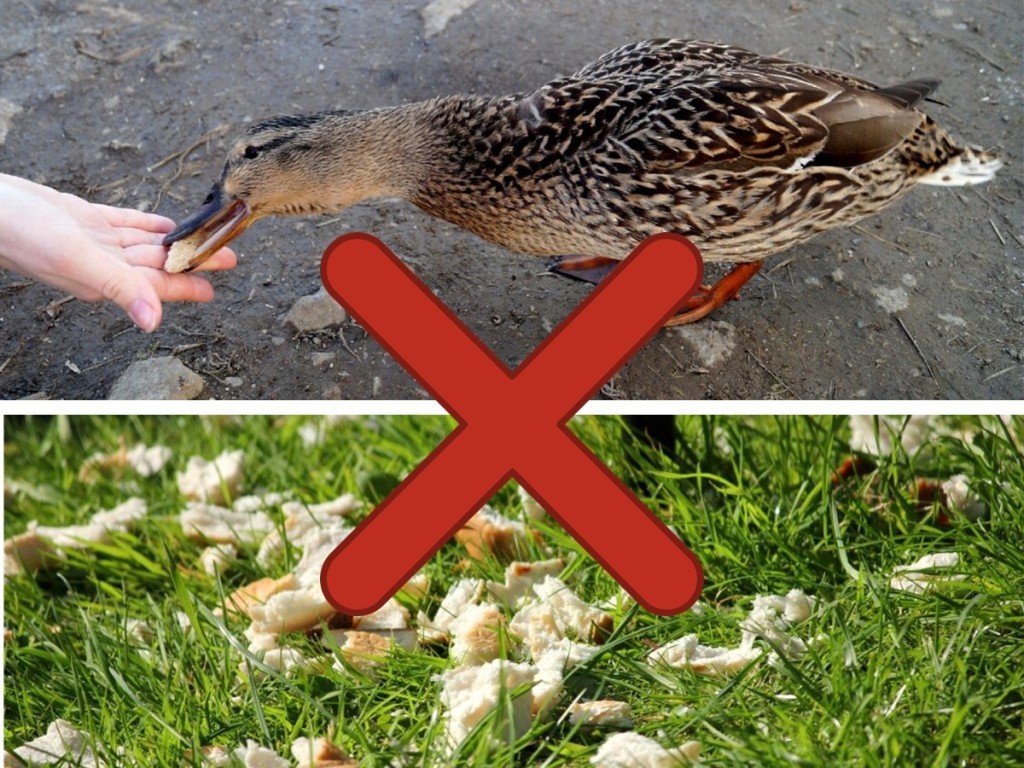
The next time you’re tempted to feed the birds from that bag of bread, think again! You might just be depriving your feathered friends of a broader range of nutrition they’ll need throughout the year.

While bread does contain carbohydrates, bird specialist Dr. David Shealer, Professor of Biology at Loras College in Dubuque, IA, points out that birds also need proteins and fats in their diet...

Articles

[from summer 2025 newsletter]

Question: Is it OK to feed bread to birds?
Answer: No! Please help us spread the word that birds should not be fed bread, popcorn, crackers, chips, cereal, and most processed foods.

Articles

By Tony Moline
[from spring 2025 newsletter]

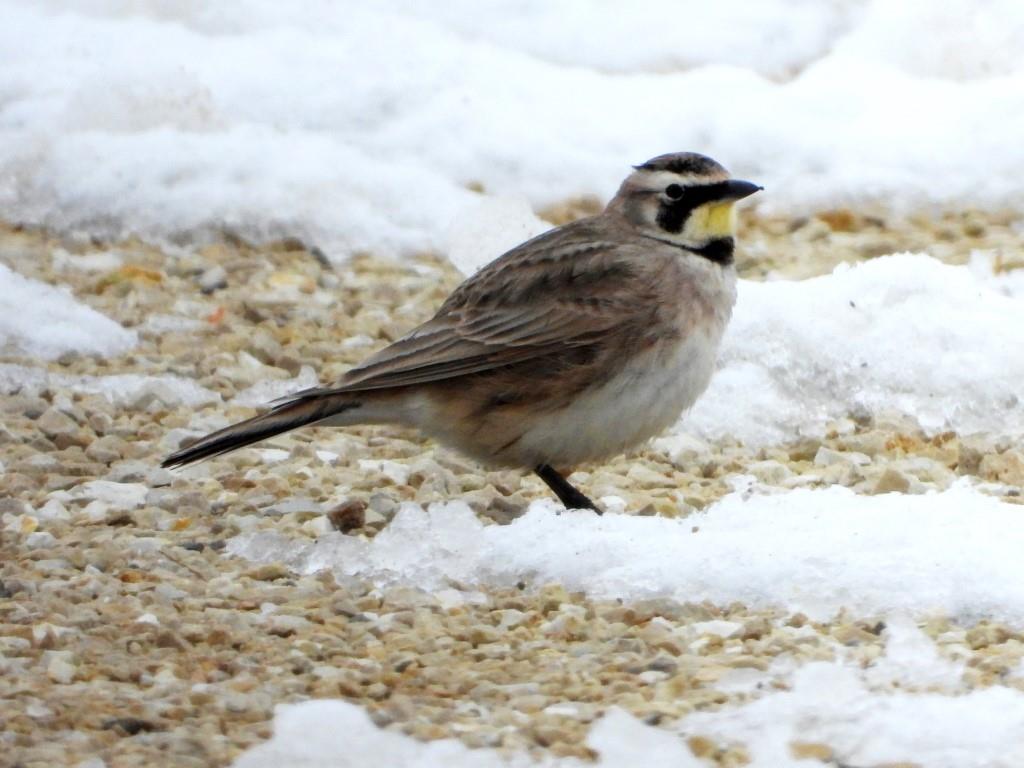
Question: Why do birds flock to gravel roads in the wintertime? Answer: Because they have no teeth! Instead, birds have a gizzard, a muscular part of their stomach that helps them grind up food. Small rocks and sand (or grit) are ingested by birds to create “teeth” in the gizzard.

Articles

By Mary Leigh
[from winter 2024 newsletter]

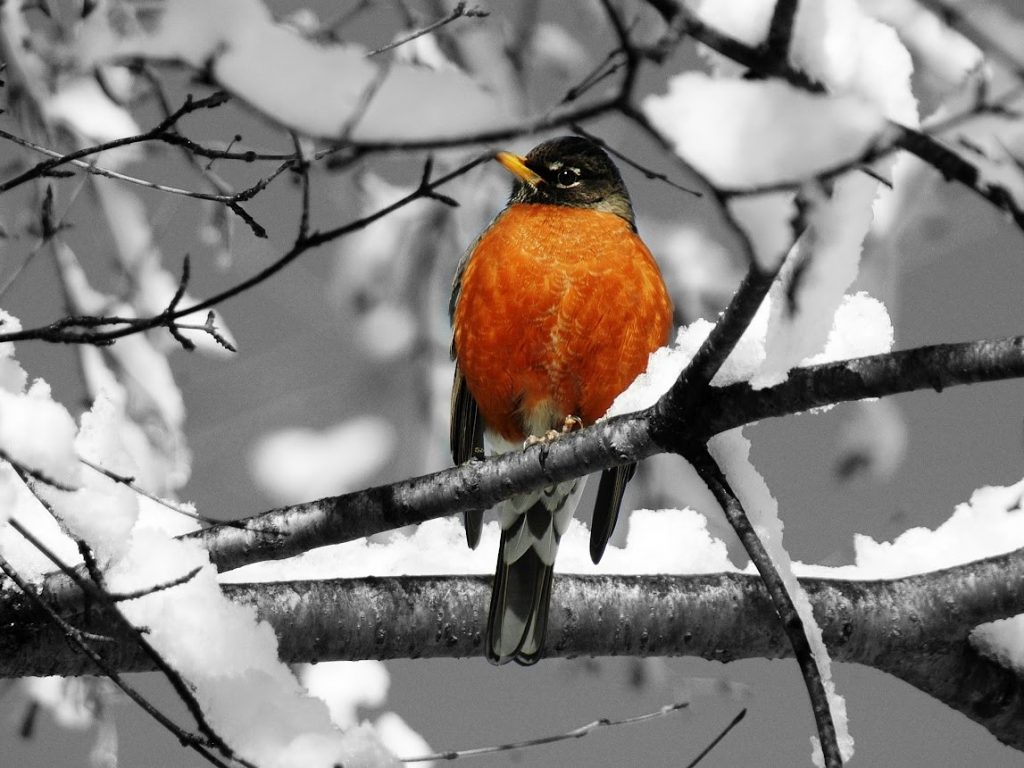
Question: Do American Robins remain in the Midwest all winter?
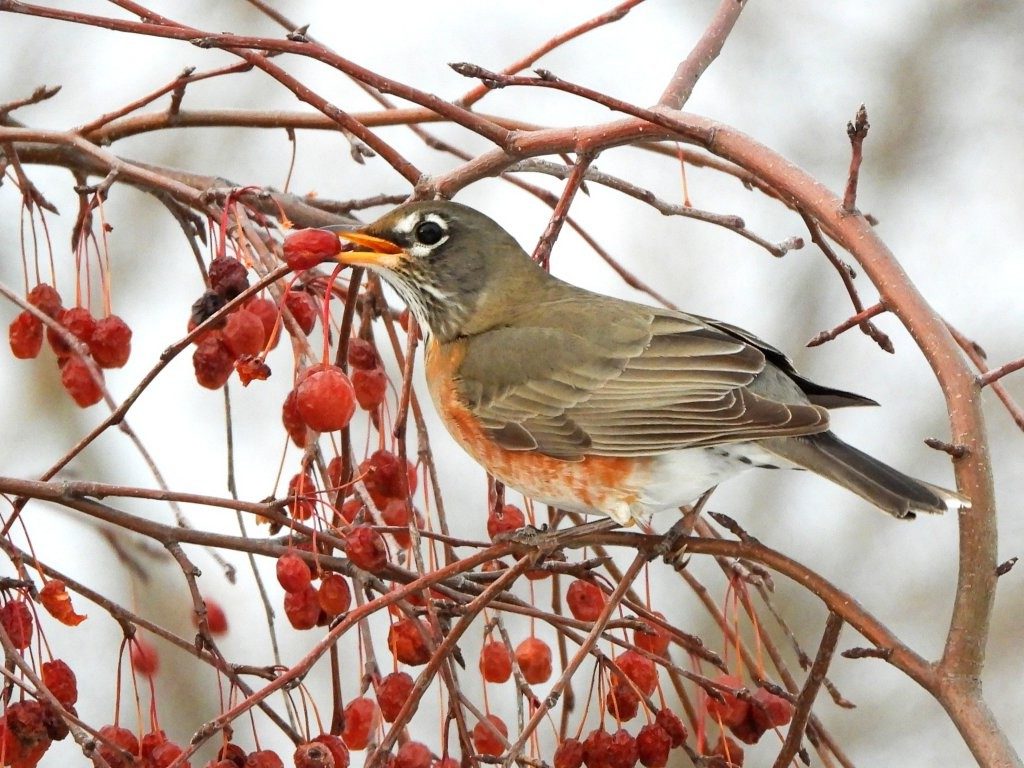
Answer: Yes! Although American Robins are regarded as a sign of spring in the Midwest, they are here year-round.

Articles

By Mary Leigh
[from winter 2024 newsletter]

I noticed recently that my eBird life list bird count increased by 1 when I hadn’t added any new species. The explanation was the annual taxonomy update! Every year, based on new insights by ornithologists, species are split, lumped, and renamed.

Articles

By Bob Walton
[from fall 2024 newsletter]

All sports have rules to follow, and birding should be no different. It is important that the welfare of all our birds be respected, resulting in little or no disturbance to the birds. The American Birding Association (ABA) has developed a Code of Birding Ethics that promotes respectful, enjoyable, and thoughtful birding.