By Kari Zelinskas
[from fall 2026 newsletter]
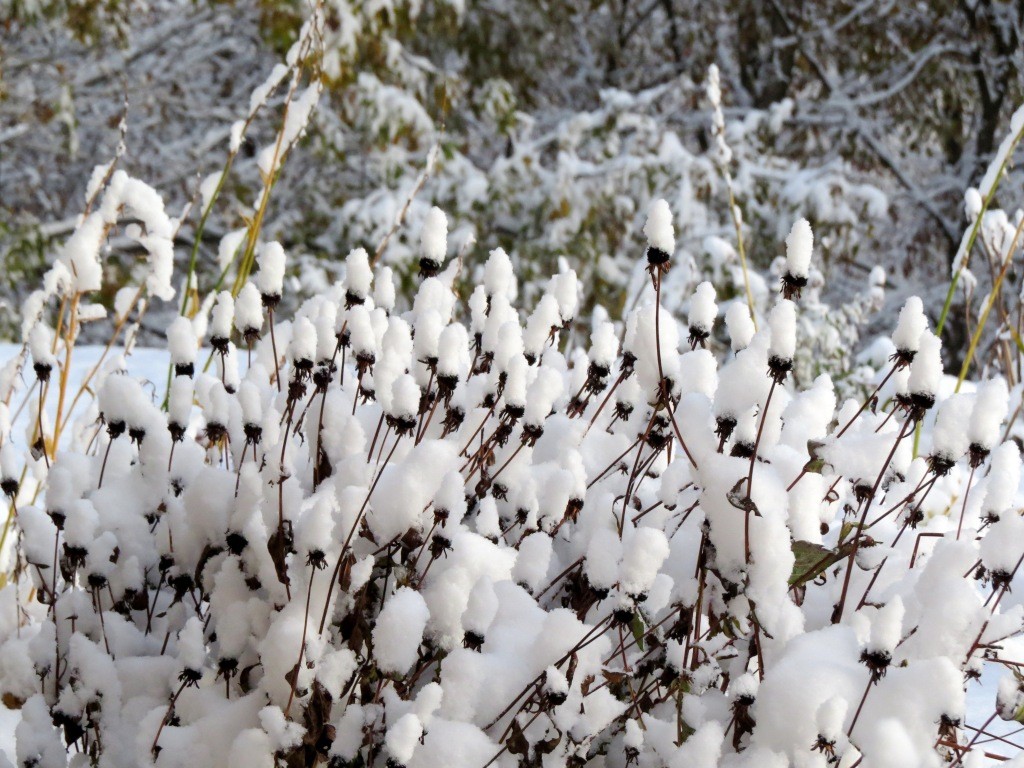
The long winter months are quickly approaching. Take advantage of this time to plan for how you can make your yard more attractive to a variety of birds. Choosing native plants will best support your local birds by providing food, shelter, and nesting sites appropriate to your area.
Choose hardy, native plants with suitable sun, moisture, spacing, and soil type needs.
Look for flowers, trees, and shrubs that provide food sources such as seeds, nuts, fruit, or nectar. And don’t forget plants (brush/leaf debris piles too) that attract insects. A pair of chickadees needs to catch 6,000-9,000 caterpillars to raise one single clutch of chicks!
Good plant choices include:
Trees and Shrubs
Mulberries – summer berries are a favorite food of more than 40 bird species.
Dogwoods – insects love the flowers in spring; birds love the fall fruits.
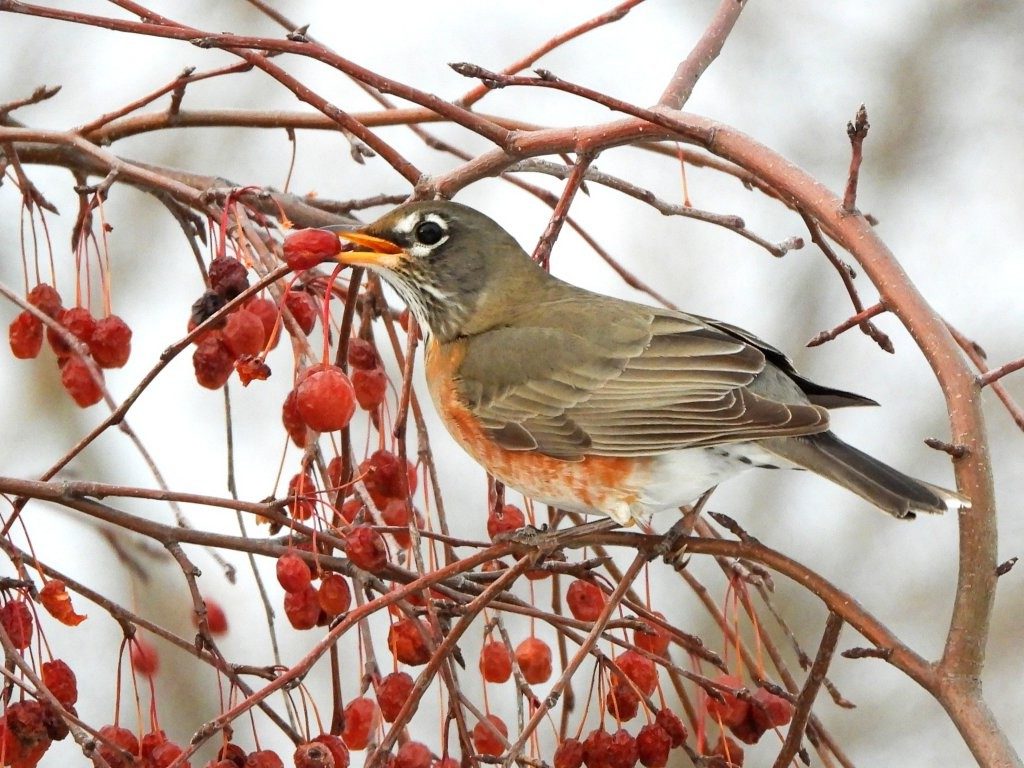
Crabapples – birds eat the flower buds, flowers, fruit and seeds; provide cover and nest sites.
Serviceberries – flowers attract insects; fruit attracts most fruit-loving birds (humans too!).
Viburnums – flowers attract insects; birds eat berries and find cover in branches.
Red Cedar – offers cover, nest sites, and winter fruit for birds.
Oaks – keystone species: support more caterpillars, insects and birds than any other native tree.
Pines – provide cover, winter protection, food, and nesting sites.
Wild Plum – flowers in spring, attract insect-eating species.
Flowers (annual and perennial)
Attracts seed eaters: Sunflowers, Sweet William, Poppies, Asters, Black-eyed Susans, Purple Coneflower, Cosmos, Milkweeds, Marigolds
Attracts hummingbirds: Salvia, Verbenas, Zinnias, Beard-tongue, Bee Balm, Foxgloves, Liatris, Daylilies, Cardinal Flower, Climbing Honeysuckle, Marigolds
For a more extensive list of plant and gardening ideas for birds, go to:
Add final touches with bird baths and bird houses (see ideas at above websites).
With a little planning, time, and effort, you can turn your yard into a bird oasis to benefit you, your feathered friends, and the environment.
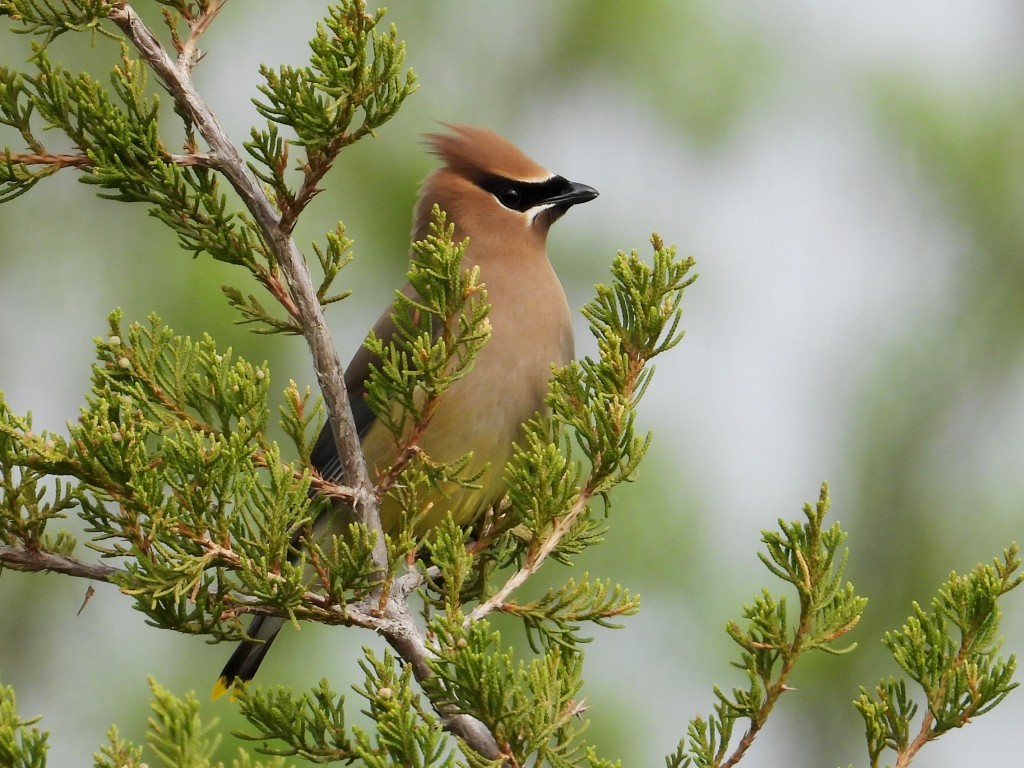
© Mary Leigh
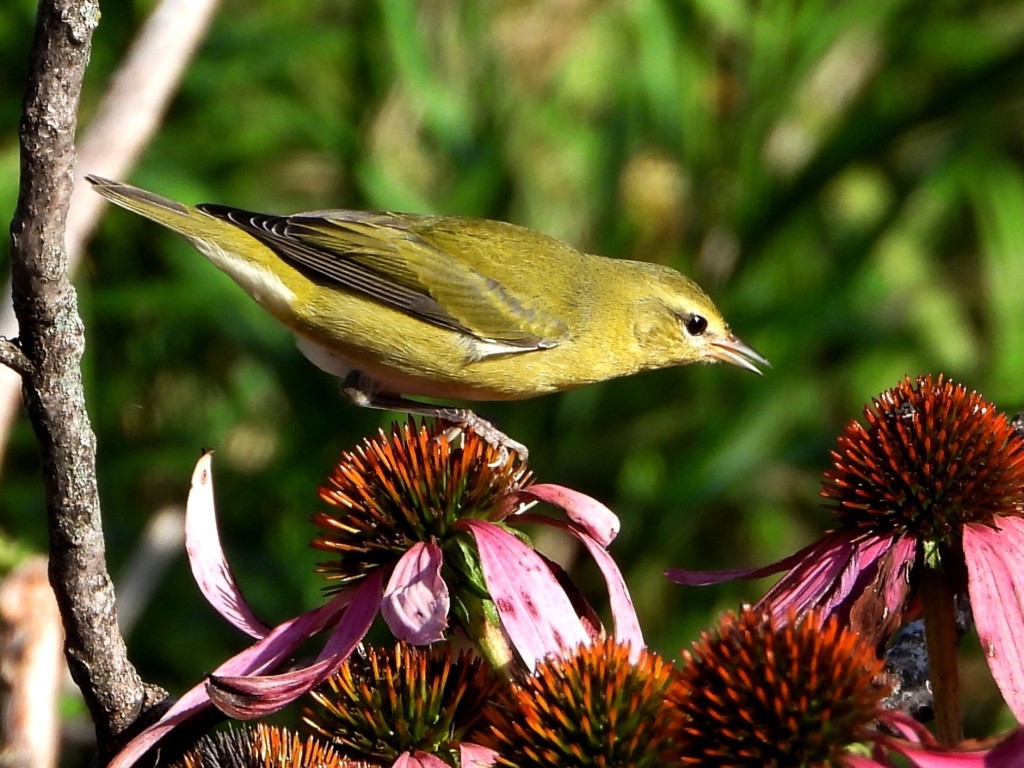
© Mary Leigh
Cover: American Robin eating Crabapples © Mary Leigh