By Bob Walton
[from fall 2024 newsletter]
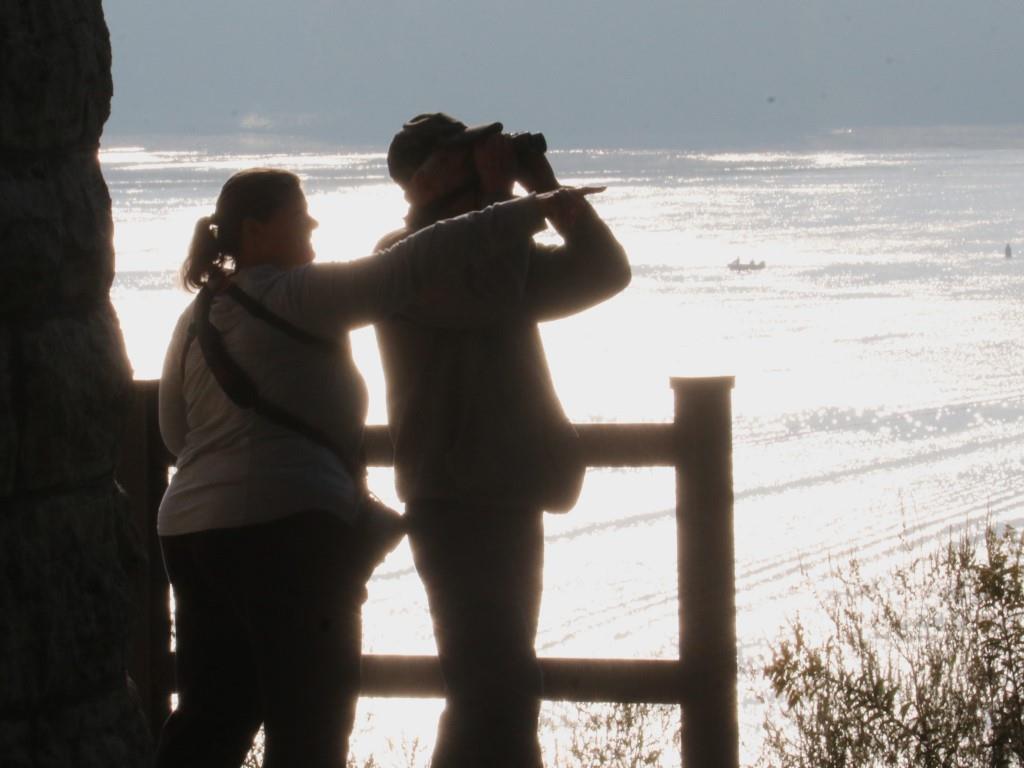
In the United States alone, recent studies have put the number of birders at nearly 96 million, making this one of the top outdoor leisure activities. This volume of birding enthusiasts has placed pressure on our precious few public natural resource areas that are crucial for the survival of our birds. In addition to intrusion into the nesting, feeding, and roosting locations for birds, the use of modern technology, including cell phone apps, recordings, and rare bird alerts further intrude into the lives of birds that are already threatened by loss of habitat, pesticides, and urban sprawl.
All sports have rules to follow, and birding should be no different. It is important that the welfare of all our birds be respected, resulting in little or no disturbance to the birds. The American Birding Association (ABA) has developed a Code of Birding Ethics that promotes respectful, enjoyable, and thoughtful birding. [We published that code in our newsletter but are sharing the link for this post.]
Tri-state birders are fortunate to have free public access to many federal, state, county, and city lands. The largest and some of the most popular are in the Upper Mississippi River National Wildlife and Fish Refuge. This national refuge is a 261- mile-long refuge and is the longest contiguous river refuge in the continental United States. It was established in 1924 as a refuge for fish, wildlife, and plants, and as a feeding, nesting, and migrating area for birds using the Mississippi flyway. Birders must be aware that areas of the Mississippi Refuge are closed to all visitors, primarily during the migratory bird hunting seasons, to allow migrating waterfowl safe feeding and resting areas. Maps of the closed areas may be reviewed by visiting district refuge offices or by downloading from the U.S. Fisheries and Wildlife website. I hope everyone enjoys their fall birding adventures. Maximize the benefits of being out in nature. It reduces stress, provides fresh air, and allows you to enjoy the surrounding natural beauty. Lastly, keep the distracting technology to a bare minimum—after all simple experiences are often the best and most rewarding.
Cover Photo © Chuck Isenhart